
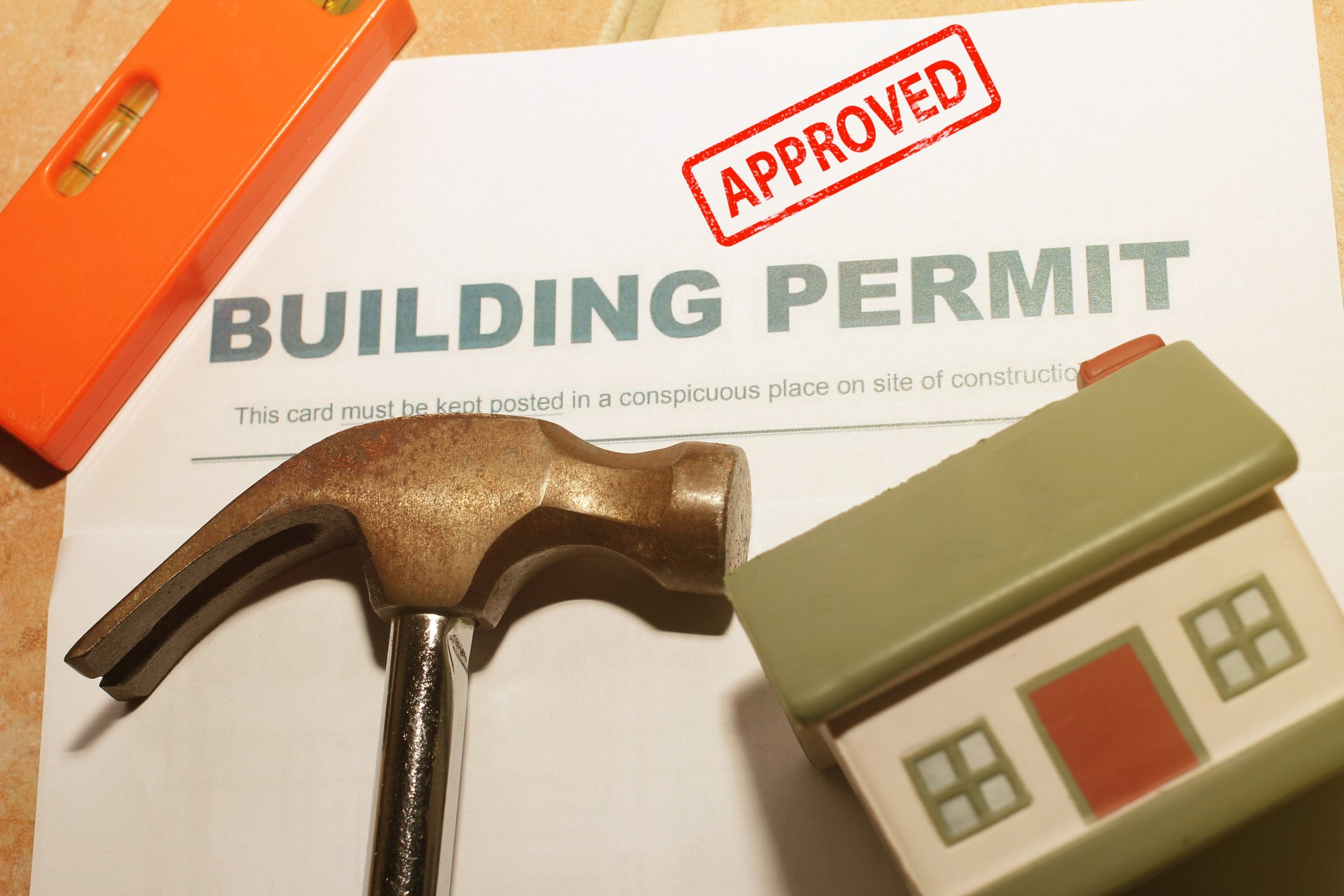
If you’re planning a home extension, loft conversion, garage conversion or structural alteration, you may be eager to get started as soon as possible. A common question homeowners ask is:
Can I begin building before Building Regulations approval has been granted?
The answer depends on which Building Regulations application route you have chosen. While work can sometimes begin before formal approval is issued, doing so without understanding the risks can lead to costly delays, remedial work or enforcement action.
This guide explains when construction can legally start, the differences between the two Building Regulations application routes, and why waiting for approval is often the safest option.
Understanding the Two Building Regulations Routes
There are two main ways of applying for Building Regulations approval:
- Full Plans application
- Building Notice
Each has different rules regarding when work can begin.
If you’re unsure which option is best for your project, our guide Building Notice vs Full Plans: Which Building Regulations Application Is Best? explains the differences in detail.
Starting Work with a Full Plans Application
With a Full Plans application, detailed Building Regulations drawings and specifications are submitted to Building Control before construction begins.
Although you can legally start work before receiving formal approval in many cases, this is generally not recommended.
If Building Control later requires changes to the design, you may need to:
- Stop work.
- Alter completed construction.
- Purchase additional materials.
- Pay extra labour costs.
- Delay the overall programme.
Waiting until your plans have been checked and approved provides much greater certainty that the proposed construction complies with the Building Regulations.
Starting Work with a Building Notice
A Building Notice is different.
Because detailed plans are not approved in advance, construction can usually begin shortly after the notice has been accepted by the Building Control Body.
Compliance is assessed during site inspections as the work progresses.
Although this allows construction to start sooner, it also means any compliance issues are discovered during the build rather than beforehand.
Why Starting Early Can Be Risky
Many Building Regulations requirements cannot easily be corrected once work has been completed. Examples include:
- Foundations.
- Structural steelwork.
- Fire protection.
- Drainage.
- Insulation.
- Ventilation.
- Sound insulation.
If these elements do not comply, corrective work can become expensive.
For this reason, many builders, architects and Building Control Surveyors prefer construction to begin only after the design has been fully reviewed.
Planning Permission Is Separate
Receiving planning permission does not automatically mean you can begin building.
Planning permission controls whether development is acceptable.
Building Regulations control how it must be constructed safely.
Most projects requiring planning permission will also require Building Regulations approval.
If your planning application has recently been approved, our guide What Happens After Planning Permission Is Approved? explains the steps that usually follow before construction begins.
Should You Wait?
For most residential projects, the answer is yes.
Waiting for Building Regulations approval usually provides:
- Greater certainty.
- Fewer construction changes.
- Better cost control.
- More accurate builder quotations.
- Smoother inspections.
- Reduced project risk.
While starting early may save a few weeks initially, unexpected design changes can often cost considerably more in the long run.
Draw & Plan’s Recommendation
For most extensions, loft conversions, garage conversions and structural alterations, we recommend preparing detailed Building Regulations Drawings before construction starts. A well-prepared drawing package helps identify compliance issues early, reducing the likelihood of delays, redesigns and costly changes once work is underway.
If you’re planning a loft conversion, our Loft Conversion Drawings service explains how we prepare comprehensive drawing packages for both planning permission and Building Regulations approval.
Need Building Regulations Drawings?
At Draw & Plan, we prepare detailed Building Regulations drawings for homeowners across London and the South.
Whether you’re planning an extension, loft conversion, garage conversion or structural alteration, we can produce a comprehensive drawing package designed to help your project progress smoothly through Building Control and construction.
Contact us today for a fixed-fee quotation.
Disclaimer: This article is for general informational purposes only and does not constitute legal or professional advice. Always consult relevant professionals and local authorities before undertaking any development or change of use