
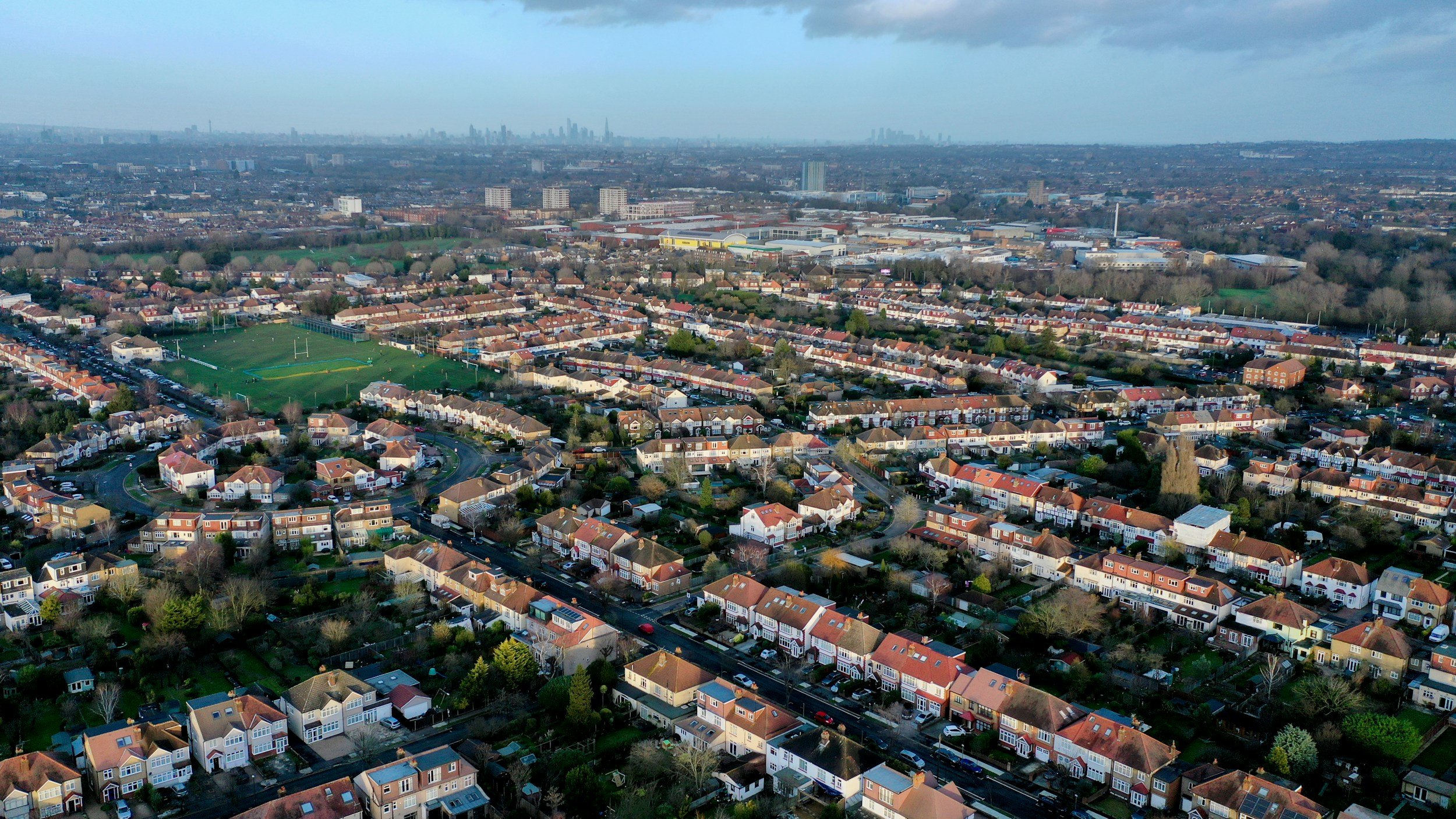
If you’re fortunate enough to have a large back garden, you could be sitting on a valuable development opportunity.
Across the UK, many homeowners are unlocking significant value by selling part of their garden for residential development. In the right location, a garden plot with planning permission can be worth £100,000–£250,000 or more, depending on its size, location and development potential.
While not every garden is suitable, many larger plots offer genuine opportunities for redevelopment.
This guide explains how garden development works, what developers look for and the steps involved in turning unused land into a valuable asset.
Why Developers Buy Garden Land
With increasing pressure to deliver new homes, many local planning authorities support appropriate infill development within established residential areas.
Developers are often attracted to garden plots because they typically offer:
- Established residential locations.
- Existing road access.
- Nearby utility connections.
- Lower land costs than greenfield sites.
- Strong local housing demand.
A well‑positioned garden can sometimes accommodate one or more new homes while allowing the original property to remain.
What Makes a Garden Suitable for Development?
Not every garden can be developed.
Before pursuing a planning application, several factors should be assessed.
Independent Access
One of the most important considerations is whether the proposed plot has safe and suitable vehicle access.
Access may be available from:
- A side road.
- A rear lane.
- An existing driveway.
- A corner plot.
Without acceptable access, development becomes significantly more difficult.
Plot Size
The site must be large enough to accommodate:
- A suitable dwelling.
- Private garden space.
- Parking where required.
- Bin and cycle storage.
- Safe access.
The size required varies depending on local planning policy and the type of development proposed.
Neighbouring Properties
Planning authorities carefully assess the impact on neighbouring homes, including:
- Privacy.
- Overlooking.
- Loss of daylight.
- Overshadowing.
- Outlook.
A well‑designed proposal can often overcome these concerns through careful positioning and design.
Local Planning History
One of the strongest indicators of success is whether similar garden developments have already been approved nearby.
Previous approvals can demonstrate that the principle of infill development is acceptable within the area, although every application is still assessed on its own merits.
Two Ways to Sell Garden Land
There are generally two approaches.
Obtain Planning Permission First
Many homeowners choose to obtain planning permission before selling the land.
Advantages include:
- Higher sale value.
- Greater control over the design.
- Wider choice of buyers.
However, this approach also means funding the planning process yourself.
Typical costs may include:
- Measured surveys.
- Planning drawings.
- Specialist reports.
- Planning application fees.
- Professional consultants.
These costs vary considerably depending on the complexity of the proposal.
Sell to a Developer Under an Option Agreement
An increasingly popular alternative is an Option Agreement.
Under this arrangement:
- A developer funds the planning application.
- The homeowner grants the developer the option to purchase the land if planning permission is obtained.
- The developer assumes much of the financial risk.
If planning permission is granted, the land is purchased at the agreed price or according to an agreed valuation formula.
This approach reduces financial risk for the homeowner, although the final sale price may be lower than if planning permission had already been secured.
Things to Consider Before Selling
Before deciding to develop part of your garden, it’s important to think beyond the sale price.
Potential issues include:
- Reduced garden size.
- Loss of privacy.
- Additional neighbouring properties.
- Construction disruption.
- Changes to the value of your remaining home.
- Mortgage lender consent where applicable.
Taking professional advice early helps identify these issues before committing to the project.
How Much Could Your Garden Be Worth?
Land values vary enormously depending on:
- Location.
- Planning potential.
- Plot size.
- Housing demand.
- Local planning policy.
As a broad guide:
- Garden plots in commuter towns and outer London may achieve £100,000–£250,000+.
- Rural plots can also command substantial values where housing demand is strong.
- Sites capable of accommodating multiple dwellings may be worth significantly more.
The greatest increase in value usually occurs after planning permission has been obtained, although obtaining consent also carries cost and risk.
Tax and Legal Considerations
Selling part of your garden may have tax implications.
In some circumstances, Private Residence Relief may reduce or eliminate Capital Gains Tax where the land forms part of your main residence.
However, this depends on factors including:
- The size of the land.
- How it has been used.
- Whether the property remains your principal residence.
Specialist legal and tax advice should always be obtained before proceeding.
You will also require a solicitor to deal with:
- Land Registry title plans.
- Boundary transfers.
- Easements.
- Rights of access.
- Sale contracts.
Step‑by‑Step Guide
- Assess whether the plot appears suitable for development.
- Review local planning history and nearby approvals.
- Obtain professional planning advice.
- Decide whether to pursue planning permission yourself or work with a developer.
- Prepare planning drawings and supporting reports where required.
- Submit a planning application.
- Negotiate the land sale.
- Complete the legal transfer.
Planning timescales vary, but projects commonly take 12 to 18 months from initial feasibility to completion of a sale.
Why Professional Advice Matters
Every garden plot is different.
Planning success depends on factors including:
- Access.
- Site dimensions.
- Local planning policies.
- Neighbouring properties.
- Design quality.
- Previous planning decisions.
An early feasibility assessment can identify opportunities while avoiding unnecessary planning costs.
Thinking About Developing Your Garden?
At Draw & Plan, we carry out garden development feasibility assessments to establish whether your land is likely to support residential development before significant costs are incurred.
Our Planning Drawings service includes site appraisals, planning applications and negotiations with local planning authorities to maximise the development potential of your land.
If planning permission is granted, our Building Regulations Drawings service can provide the detailed technical drawings required before construction begins.
If you’re unsure whether your proposal is likely to require planning permission, our guide Do I Need Planning Permission? Your Complete Guide for England explains the planning process in more detail.
Ready to discuss your site? Contact us today for a free, no‑obligation feasibility assessment.
Disclaimer: This article is for general informational purposes only and does not constitute legal or professional advice. Always consult relevant professionals and local authorities before undertaking any development or change of use.